
A clogged drain is one of those household problems that can quickly interrupt your day. Maybe the kitchen sink is draining slowly after dinner, the shower is filling up around your feet, or a basement floor drain is not moving water the way it should. In many cases, it makes sense for homeowners to try a few basic DIY drain cleaning steps before calling for help.
The key is knowing which steps are safe, when to stop, and when the clog may be more than a simple surface blockage. DIY drain cleaning is not automatically a bad idea. In fact, careful, low-risk steps can sometimes solve minor clogs. Problems tend to occur when the same method is repeated over and over without improvement, or when harsh chemicals and tools are used too aggressively.
For homeowners in Pittsburgh, Sewer Flow LLC is a local resource for plumbing help, drain inspection, and professional drain cleaning when a clog needs more than a basic home remedy.
Before reaching for strong chemical products or forcing a tool down the drain, start with the simplest options. Many clogs begin near the drain opening, especially in bathroom sinks, tubs, and showers, where hair, soap residue, and small debris can collect.
If you can safely see debris near the drain opening, remove it by hand while wearing gloves. A drain strainer, sink stopper, or removable cover may also be holding buildup that can be cleaned away. In bathroom sinks, the stopper mechanism can collect hair and soap scum over time, so checking that area may help restore better flow.
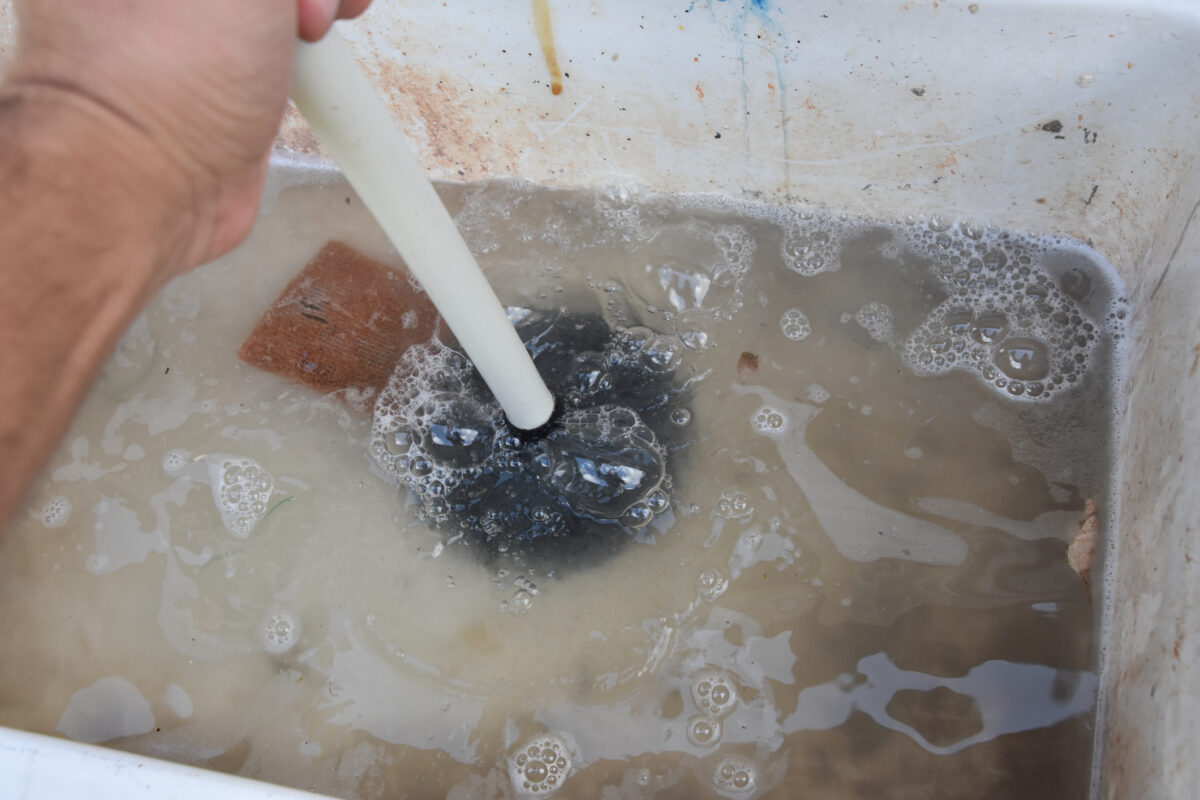
A plunger can also be useful for certain clogs. The goal is to create a good seal and use steady pressure rather than excessive force. For sinks with overflow openings, covering the overflow may help improve suction. Hot water can sometimes help with soap residue or light grease buildup, but be careful. Avoid pouring boiling water into a drain if you are unsure of the pipe material, especially in older homes or plumbing systems with PVC components.
A basic hand tool may be reasonable if you know how to use it gently. However, if water starts backing up elsewhere, multiple drains are affected, or the clog does not improve after a few careful attempts, it is time to stop and reassess.
The safest approach is to begin with visible debris removal, plunging, and checking accessible parts, such as a stopper, strainer, or trap area, when appropriate. These steps are usually less risky than immediately using chemicals or forcing a cable into the line. DIY drain cleaning becomes more concerning when homeowners skip the simple steps and move straight to aggressive methods without knowing what is causing the clog.
Some warning signs suggest the issue may be deeper in the plumbing system. Slow drains throughout the home, gurgling sounds, sewage odors, water backing up into another fixture, or a clog that keeps returning may point to a blockage farther down the line. In those cases, a professional drain inspection can help identify the actual source rather than relying on guesswork.
Most DIY drain cleaning mistakes are understandable. When water is sitting in a sink or shower, it is natural to want the fastest fix possible. However, persistence only helps when the method matches the problem.
One common mistake is repeating the same method over and over without making progress. If plunging, flushing with water, or using a small hand tool does not improve the clog after a few careful attempts, doing it again and again usually will not change the result. In some cases, it may compact the blockage or move debris farther into the pipe.
Another mistake is mixing or layering drain cleaning products. This should be avoided. Different products may react with each other, and treated water can become hazardous if it splashes or backs up later. If a chemical cleaner has already been poured into the drain and the clog remains, stop before trying another method.
Using too much force is also a concern. A plunger, hand snake, or auger should not feel like a battle with the plumbing system. Excessive force can cause problems, especially in older pipes, tight bends, weakened fittings, or lines with damage.
Homeowners may also assume every clog is near the surface. While some are, others may involve buildup farther down the drain line, tree roots, pipe slope issues, or problems in the main sewer line. Recurring clogs deserve closer attention, not just another round of the same DIY approach.
A few careful tries are reasonable. When a drain does not respond after a few careful attempts, repeating the same step over and over is usually not the best plumbing strategy. If the water level does not change, the drain keeps slowing down, or the clog returns shortly after seeming to clear, it may be time to pause and consider whether professional drain cleaning is the better next step.
Not all clogs form for the same reason. A bathroom sink clog may be caused by hair, toothpaste, and soap buildup. A kitchen clog may include grease, food particles, or residue from daily use. A basement or floor drain backup can point to a more serious drainage or sewer line issue. Different clogs may require different solutions, which is why one DIY method will not work for every situation.
Chemical drain cleaners are common because they are easy to buy and promise a quick solution. Used once, and according to the label, they may seem like a convenient option. The problem is that they are often treated as a repeated fix, even when the clog is not improving.
Some chemical drain cleaners contain harsh substances such as sulfuric acid, sodium hydroxide, or lye. These ingredients can cause burns, skin irritation, eye injuries, and respiratory irritation if splashed or handled improperly. They can also create risks for children and pets if treated water backs up into a sink, tub, shower, or floor drain.
Chemical cleaners may also generate heat. In some situations, that heat can affect PVC pipes, especially if the product sits in the line because the clog does not clear. Older cast iron or galvanized steel pipes may also be more vulnerable to corrosion or deterioration with repeated exposure. This does not mean one use will automatically destroy a plumbing system, but it does mean chemical cleaners should be used cautiously and should not become the go-to solution for every clog.
Another concern is what happens when the cleaner stops working. If the clog remains, the chemical may be trapped behind the blockage. That creates a hazard for anyone who later plunges the drain, opens the trap, or works on the pipe. If a chemical cleaner has been used and the drain is still clogged, calling a professional is often the safer choice.
If a chemical drain cleaner is used, everyone in the household should know about it. This helps prevent someone from unknowingly plunging the drain, reaching into standing water, or disturbing treated water later. Splashes, fumes, and accidental skin or eye exposure are real concerns. Pets and children may also be at risk if water backs up or spills from a treated drain. Clear communication is a simple but important safety step.
Some chemical cleaners create heat as they react with organic material. If the clog does not clear, the heat and chemical exposure may remain concentrated in one section of the pipe. PVC can be sensitive to high heat, and older cast iron or galvanized steel pipes may already be corroded or worn. Repeated chemical use can strain a plumbing system, especially when the underlying problem is not addressed.
One reason repeated DIY attempts can be frustrating is that they may move the blockage without fully clearing it. A plunger or small hand tool might shift debris farther down the pipe, giving the impression that the drain is fixed. Then, a few days or weeks later, the same drain slows down again.
This can happen when a partial blockage becomes more compacted. Instead of breaking apart and flushing through the line, the material settles deeper in the drain. The homeowner may keep treating the symptom near the drain opening while the real problem remains farther down the pipe.
Recurring clogs often need inspection rather than repeated surface-level cleaning. For homeowners searching for drain inspection in Pittsburgh, a camera inspection can help determine whether the clog is caused by buildup, roots, pipe damage, or another issue deeper in the line. That information can make the next step clearer and reduce the need for trial and error.
Hand snakes and augers can be useful tools when used correctly. For a simple clog near the drain opening, a small hand tool may help remove hair or debris. The problem is that these tools can also cause damage when they are forced, used too aggressively, or used without knowing what is happening inside the pipe.
Too much pressure can cause pipes to scratch, crack, or puncture. Older plumbing, tight bends, fittings, and weakened areas may be more vulnerable. A cable can also get stuck, especially if it is the wrong size for the drain or encounters a bend, a heavy blockage, or a damaged section of pipe.
Another issue is reach. A homeowner may use a small snake and assume the clog has been addressed, even though the tool never reached the blockage. The result may be a temporary improvement followed by another slow drain.
Professional plumbers use equipment suited to the pipe size, clog type, and location of the blockage. They can also determine whether snaking is the right method or whether inspection, hydro jetting, or another solution may be more appropriate.
If the snake hits firm resistance, keeps coming back clean, or only improves drainage for a short time, the issue may be farther down the line. Continuing to force the tool can increase the risk of damage without solving the clog. At that point, professional drain cleaning or inspection can help identify what is actually blocking the line.
Chemical drain cleaners can also raise environmental concerns when they are overused or disposed of improperly. Harsh products may affect wastewater systems and aquatic environments, especially when used repeatedly as a routine drain maintenance method.
Homes with septic systems should be especially careful about what goes down the drain. A septic system depends on a balance of bacteria to break down waste. Harsh drain cleaning chemicals may disrupt that balance, particularly with repeated use. This does not mean one product use will automatically ruin a septic system, but it is a good reason to avoid relying on chemicals whenever a drain slows down.
For homeowners with septic systems, safer habits matter. Use strainers when helpful, avoid pouring grease down drains, address recurring clogs early, and use caution with strong chemical products.
There is no need to call for every slow drain right away. But there are situations where continuing DIY attempts may create more frustration than progress.
If the same clog keeps returning, multiple drains are slow, or water backs up into tubs, showers, floor drains, or lower-level fixtures, it may be time to call a professional. Sewage odors, gurgling sounds, and backups in more than one area can also point to a deeper blockage.
You should also stop if a chemical cleaner has been used and the drain is still clogged. At that point, plunging, opening pipes, or adding another product can create unnecessary safety risks. Older pipes are another reason to be cautious, especially if you are unsure what material the plumbing is made of or whether the line has existing wear.
If you have already made a few careful attempts and the drain still is not clearing, it may be time to call a plumber near you before the problem becomes harder to access. A professional can help determine whether the issue is near the drain opening or deeper in the line, then recommend the right solution instead of guessing.
When DIY efforts are not working, Sewer Flow LLC can help homeowners in the Pittsburgh area choose the right next step. Some clogs can be handled with standard plumbing support, while others may require inspection or more advanced cleaning methods. The goal is not to assume every clog needs the same service. The goal is to understand what is causing the problem and address it properly.
For homeowners seeking drain cleaning services in Pittsburgh, Sewer Flow LLC offers practical support for clogged drains, recurring backups, and related plumbing concerns. Depending on the situation, the right solution may involve plumbing repairs, sewer camera inspection, or hydro jetting.
A sewer camera inspection can help identify what is happening inside the line. This may include buildup, roots, pipe damage, or a blockage farther down the system. Hydro jetting may be recommended for stubborn buildup or line-cleaning needs, depending on the condition of the pipe and the cause of the clog.
If a clog keeps coming back, will not clear, or seems connected to a larger drainage issue, Sewer Flow LLC can help homeowners move from trial and error to a more informed solution.
If a drain is not improving after a few careful attempts, Sewer Flow LLC’s professional plumbing services can help diagnose and safely address the issue. This may include help with clogged sinks, tubs, showers, and fixtures, as well as other drain or plumbing concerns around the home.
Recurring clogs often need more than another surface-level attempt. A sewer camera inspection can help identify what is happening inside the line and whether the problem involves buildup, roots, pipe condition, or a deeper blockage. This type of drain inspection in Pittsburgh can help homeowners make a more informed decision.
For certain clogs and buildup, hydro jetting may be a helpful professional cleaning method. Hydro jetting works by using high-pressure water to clean the inside of the line, but it should be used only when appropriate for the pipe condition and the cause of the blockage.
Basic DIY drain cleaning can be reasonable when it is done carefully. Removing visible debris, cleaning a stopper, using a plunger, or trying gentle methods may help with minor clogs. The problem starts when the drain does not improve despite repeated steps, or when harsh chemicals and tools are used too aggressively.
If your drain still is not clearing after a few careful attempts, if the clog keeps coming back, or if multiple drains are affected, it may be time for professional help. Sewer Flow LLC can help Pittsburgh homeowners determine whether the issue needs plumbing service, drain inspection, or hydro jetting. Contact Sewer Flow LLC for professional plumbing help in the Pittsburgh area.