
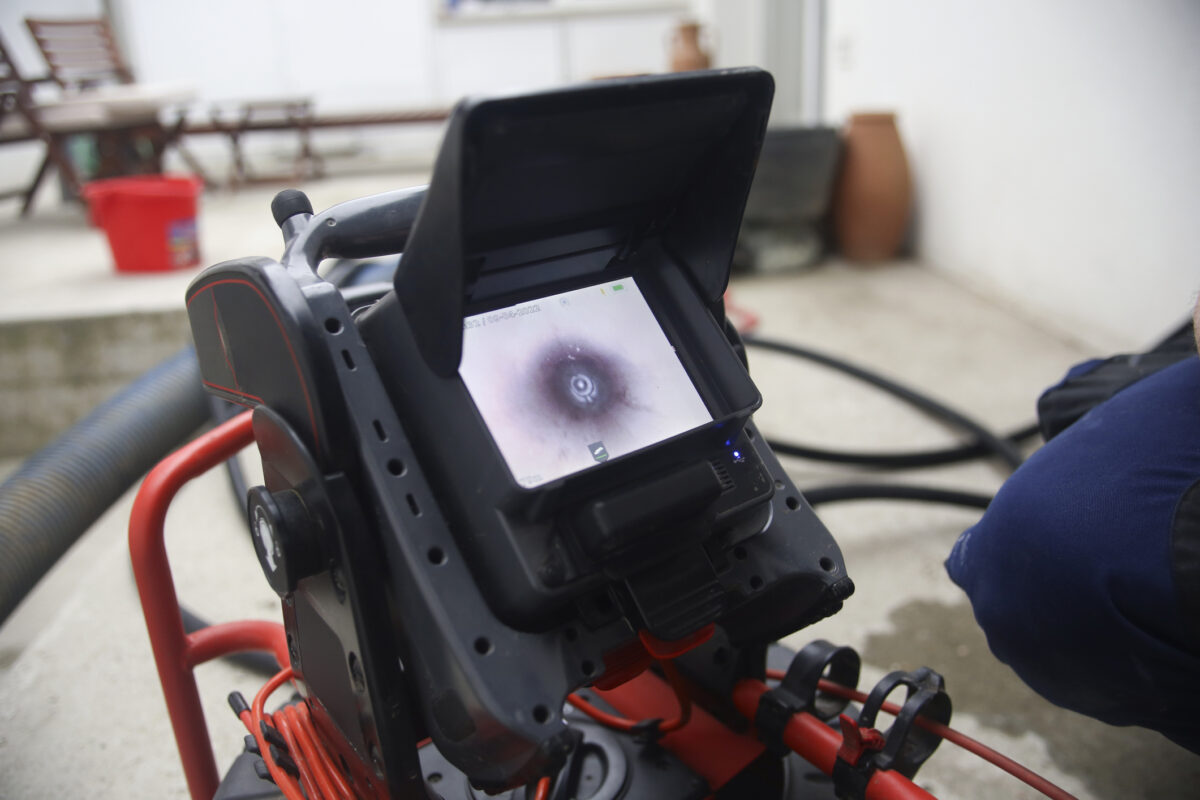
When drains keep acting up, most homeowners do not want another temporary fix. They want to know why it is happening. That is where a sewer camera inspection can make a real difference.
At Sewer Flow, we use camera inspections to take the guesswork out of sewer problems. Instead of treating symptoms over and over, we inspect the inside of the line to see what is happening, identify where the issue lies, and recommend the right next step. In many cases, that saves homeowners from repeated service calls, unnecessary work, and the stress of not knowing what is happening underground.
In this guide, we will explain what a sewer camera inspection is, when we recommend one, when you may not need one yet, what we commonly find in Pittsburgh homes, and what you can expect when our team performs a sewer camera inspection.
What is Involved in a Sewer Camera Inspection?
A sewer camera inspection is where we feed a small waterproof camera into your sewer line to inspect the inside of the pipe. The camera sends back live video so we can look for blockages, damage, buildup, or anything else affecting how the line drains.
This inspection helps us answer three important questions:
- What is causing the problem
- How serious the problem appears to be
- Where the problem is located in the line
That information matters because the right fix depends on what we actually see. A recurring backup caused by tree roots requires a solution different from a line with grease buildup, a sagging section, or a broken pipe.
You may also hear this called a sewer scope inspection. In most cases, people are referring to the same thing. Whether someone says “sewer camera inspection” or “sewer scope,” they usually mean a video inspection of the sewer line.
It also helps to understand the difference between a main line and a branch line. A branch line is the smaller drain line serving an individual fixture or area, such as a sink or tub. The main line is the larger pipe that carries wastewater from the home out to the sewer connection. When multiple fixtures are draining slowly or backing up together, we often start thinking about a main line issue. That is where a sewer line camera inspection can be especially useful.
When We Recommend a Camera Inspection
A sewer camera inspection is not something we automatically recommend for every drain problem. It is most useful when there are signs that the issue is recurring, widespread, or likely tied to the main sewer line.
Here are some of the most common situations where we recommend it:
Recurring clogs or backups
If the same drain issue keeps recurring, a camera inspection can help identify the cause. Repeated clogs often point to a bigger issue than a one-time blockage.
Multiple drains are running slowly at the same time
When more than one fixture is affected, the problem may be deeper in the system, often in the main line.
Basement floor drain backup
This is one of the more common warning signs of a mainline problem. In many Pittsburgh homes, basement drains are the first place a sewer issue shows up.
Gurgling sounds or fixture cross-backups
If you flush a toilet and water rises in a tub, or you hear drains gurgling when other fixtures are used, that can point to poor flow in the sewer line.
Older homes with older sewer lines
Pittsburgh homes often have aging cast-iron or clay sewer lines. Those materials can be more vulnerable to corrosion, cracking, shifting, or root intrusion over time.
Properties with mature trees nearby
Roots are a common cause of sewer line trouble. A tree roots sewer line camera inspection can confirm whether roots have entered the pipe and how severe the intrusion is.
After a major backup
If you have already had a serious backup, inspecting the line can help prevent the same thing from happening again.
Before Buying or Selling a Home
A sewer scope inspection can also be a smart step during a real estate transaction. If you are buying or selling an older home, especially one with mature trees or an unknown sewer history, a camera inspection can provide useful information before the deal moves forward.
For buyers, it can uncover hidden sewer issues before they become your problem. For sellers, it can answer questions early and reduce uncertainty.
When You Might Not Need One Yet
This is an important part of the conversation because not every drain issue requires a camera inspection.
There are situations where a camera may not be necessary right away, including:
One isolated clog in one fixture that clears fully
If a single sink, toilet, or tub has a clog that clears completely with no other symptoms, a camera inspection may not be the first step.
A hair clog in a shower drain or another localized trap issue
Some clogs are clearly close to the fixture and do not point to a sewer line problem.
Very recent plumbing work where the cause is already known
If there is a clear explanation for the issue and it has already been addressed, we may recommend monitoring it first.
That said, if the problem comes back, the next step often is a camera inspection. When issues recur, the value of seeing inside the line increases quickly.
What We’re Looking For During the Inspection
The purpose of a sewer camera inspection is not just to confirm that a problem exists. It is to identify the type of problem so we can recommend the right solution.
Here are some of the most common things we find in Pittsburgh-area homes.
Tree Root Intrusion
Roots naturally seek out moisture, and even a small opening in a sewer line can attract them. Once roots enter the pipe, they can expand and trap waste and debris.
What it means:
Roots can cause recurring clogs, slow drainage, and backups. In some cases, the line can be cleared and maintained. In other cases, a more permanent repair may be needed.
Grease or Heavy Solids Buildup
Over time, grease, soap residue, sludge, wipes, and other debris can narrow the pipe and restrict flow.
What it means:
If the pipe itself is still in decent shape, clearing the buildup may restore normal drainage. This is one reason a mainline blockage camera inspection can be so helpful. It tells us whether the issue is simply a buildup or something more serious.
Bellies or Sagging Sections
A belly is a section of pipe that has sunk and now holds water instead of draining properly.
What it means:
Standing water in the pipe can cause repeated clogging and make waste collect in the same area. A camera can often reveal this, although heavy standing water can also limit visibility.
Offset Joints or Separated Pipes
Pipes can shift over time, especially in older systems or areas with settled ground. When joints no longer line up correctly, wastewater and debris can get caught there.
What it means:
An offset or separation can cause backups and may allow roots or soil to enter the line.
Cracks, Corrosion, or Scaling
This is common in aging cast-iron lines. Corrosion and scaling can roughen the interior of the pipe, reducing flow. Cracks can allow infiltration or lead to more serious structural issues.
What it means:
The line may still function for a while, or it may be nearing the point where repair or replacement makes more sense than repeated clearing.
Collapsed Sections
In some cases, part of the line has failed, preventing wastewater from moving through it properly.
What it means:
A collapse usually requires repair or replacement. The inspection helps us identify the failure and determine the next step.
Foreign Objects or Wipes
Not everything in the line is a pipe problem. Sometimes the blockage is caused by items that should not have been flushed.
What it means:
If the pipe is otherwise healthy, clearing the obstruction may solve the problem. The camera helps confirm whether a larger issue is behind it.
What We Commonly See in Pittsburgh Homes
In Pittsburgh, older sewer infrastructure matters. Many homes still have clay or cast-iron lines, and both materials can show age in different ways. Add mature trees, shifting soil, and decades of use, and it becomes easier to understand why recurring sewer issues are so common here.
What to Expect When Our Team Comes Out
A lot of homeowners feel less anxious once they know what a visit actually looks like. Our goal is to keep the process clear and straightforward.
Here is what typically happens during a sewer camera inspection:
1. We Confirm the Symptoms
We start by asking what has been happening. Are you getting recurring clogs? Does the basement floor drain back up after laundry? Are multiple fixtures slow? These details help us understand whether the issue likely involves the main line or a more localized drain problem.
2. We Locate the Best Access Point
In many homes, we use a cleanout to access the line. If there is no convenient cleanout, we determine the safest and most practical access point based on the plumbing layout.
3. We Run the Camera
Once we have access, we feed the camera through the line and inspect the interior of the pipe. As we move through the line, we look for blockages, structural issues, root intrusion, standing water, and other signs of trouble.
4. We Review the Footage With You
Transparency matters. We show you what we are seeing and explain it in plain language. If there is a problem area, we point it out and discuss what it likely means.
5. We Discuss Your Options
Not every finding leads to the same recommendation. If the issue is buildup, cleaning may be the next step. If roots are present, root cutting and follow-up prevention may make sense. If there is structural damage, we talk through repair options.
If the Line Needs to Be Cleared First
Sometimes the line is too blocked to inspect properly right away. In those cases, clearing the line may come first, followed by the inspection. That sequence provides a more complete view of the pipe condition.
A Few Simple Prep Tips
Before your appointment, it helps to:
- Clear access to basement drains, cleanouts, or the main work area
- Limit water usage beforehand if there is an active backup risk.
- Make note of when symptoms happen, such as after laundry, showers, or heavy rain.
- What Happens After the Inspection
Once we have completed the inspection, the next step depends on what we found. The main benefit of a sewer camera inspection is that it helps us recommend a targeted fix instead of relying on trial and error.
Here are a few common outcomes:
If it is a buildup:
We may recommend snaking or hydro jetting, along with guidance on how to reduce repeat buildup.
If it is roots:
We may recommend root cutting or clearing, then talk through long-term prevention and whether repair should also be considered.
If it is structural damage:
We explain the repair options based on the line’s condition and location. In some cases, trenchless sewer repair may be an option. If that applies, we will walk you through the next steps.
If you are still in the early stages of figuring out whether the main line may be the issue, our post on Main Line Backup Warning Signs can also help connect the dots.
Sewer Camera Inspection Cost: What Affects It?
Many homeowners understandably want to know the cost of a sewer camera inspection. We believe in being transparent, but we do not make hard pricing promises online because the actual cost depends on the situation.
Some of the biggest factors include:
- Access to the line
If there is an accessible cleanout, that can simplify the process. - Line length and layout complexity
Longer or more complex runs can take longer to inspect. - Whether cleaning is needed before inspection
A heavily blocked line may need to be opened first.
Severity of the issue
Standing water, a severe blockage, or a collapse can affect what is possible during the visit.
Whether the inspection is standalone or combined with another service
The scope of the appointment matters.
The most important thing is that the inspection helps avoid guessing. In many cases, that can save money over time by reducing repeat visits and directing repairs to the right place.
Frequently Asked Questions
Does a camera inspection damage pipes?
No. The inspection itself is non-destructive. We guide a small camera through the line to inspect the interior condition.
How long does a sewer camera inspection take?
It depends on the line length, access, and what we find, but many inspections can be completed within a typical service visit.
Can you inspect the line to see if it is fully blocked?
Sometimes, but not always. If the blockage is severe, we may need to clear the line first so the camera can pass through and visibility improves.
Will you find the exact location to dig?
A camera inspection helps us identify the approximate location of a problem area. The final dig location may need to be verified with locating equipment and on-site measurements.
Do you provide footage or photos?
We walk you through the footage during the inspection and explain the important findings. If you have questions about documentation, ask our team during scheduling.
Is a sewer scope the same as a sewer camera inspection?
Usually, yes. Most people use those terms interchangeably.
How often should you have one done?
There is no one-size-fits-all schedule. Most homeowners do not need routine inspections unless they have recurring issues, older lines, root concerns, or are buying or selling a home.
Can this help prevent backups?
Yes, it helps identify problems before they turn into repeat backups or emergencies. It does not fix the issue by itself, but it helps us choose the right fix.
Call Sewer Flow LLC Today to Schedule Your Sewer Camera Inspection
If you are tired of recurring drain problems and want a clear answer, a sewer camera inspection is often the step that brings clarity. It helps us see what is happening inside the line, explain our options, and recommend the right next move based on what we actually find.
Schedule a sewer camera inspection with Sewer Flow if you are experiencing recurring clogs, backups, or signs of a mainline issue.